


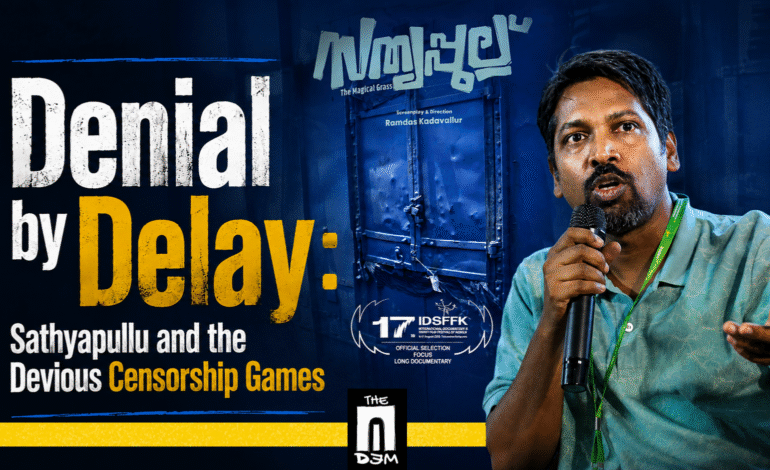
The landscape of independent Indian cinema is currently facing a sophisticated form of censorship, one that operates not through outright bans, but through administrative silence. Recently, acclaimed director Ramdas Kadavallur’s documentary Sathyappullu: The Magical Grass was denied a screening at a Kolkata film festival organized by the Eastern Region of the Federation of Film Societies of India (FFSI). The reason? The Ministry of Information and Broadcasting (I&B) simply withheld the mandatory clearance.
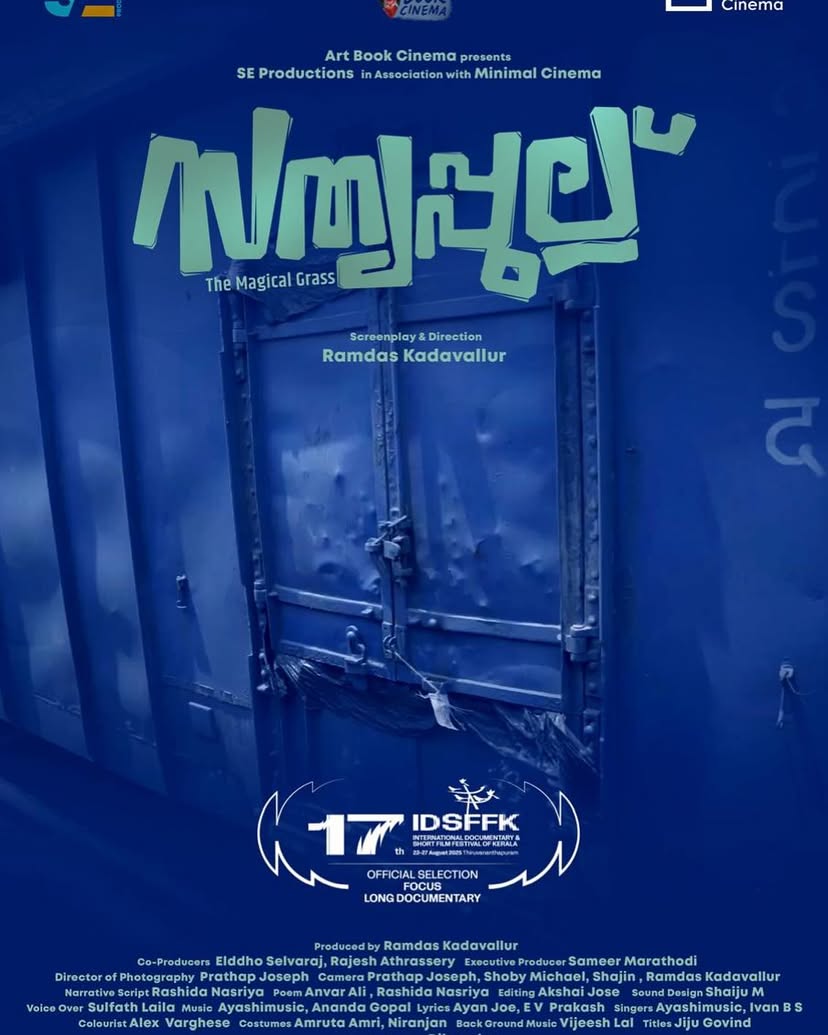
According to Kadavallur, labeling this a “ban” is factually inaccurate but functionally identical. “What is happening is not an outright ban, but the denial of Ministry approval. They do not give clearance on time,” the director explains. By indefinitely delaying approval without citing specific objections, the government effectively silences a film while evading democratic accountability. When a film is officially banned, the creators have a reason to challenge it legally; but when clearance is perpetually pending, filmmakers are left in a bureaucratic limbo, unable to screen their work.
A Film of Visual Poetry and Deep Metaphors
The irony of the situation is amplified by the fact that Sathyappullu is not a newly minted, unvetted project. It has been successfully screened at numerous prestigious venues, including the International Documentary and Short Film Festival of Kerala (IDSFFK), and has even garnered awards at science film festivals.
At its core, Sathyappullu is a work of visual poetry. It is a profound exploration of human psychology, specifically focusing on depression and social anxiety, viewed through the lived experiences and writings of a young woman named Rashida Nasriya. The film draws heavy inspiration from the literary works of renowned Malayalam poet Anwar Ali, specifically adapting his poems Mehboob Express and ID Card.
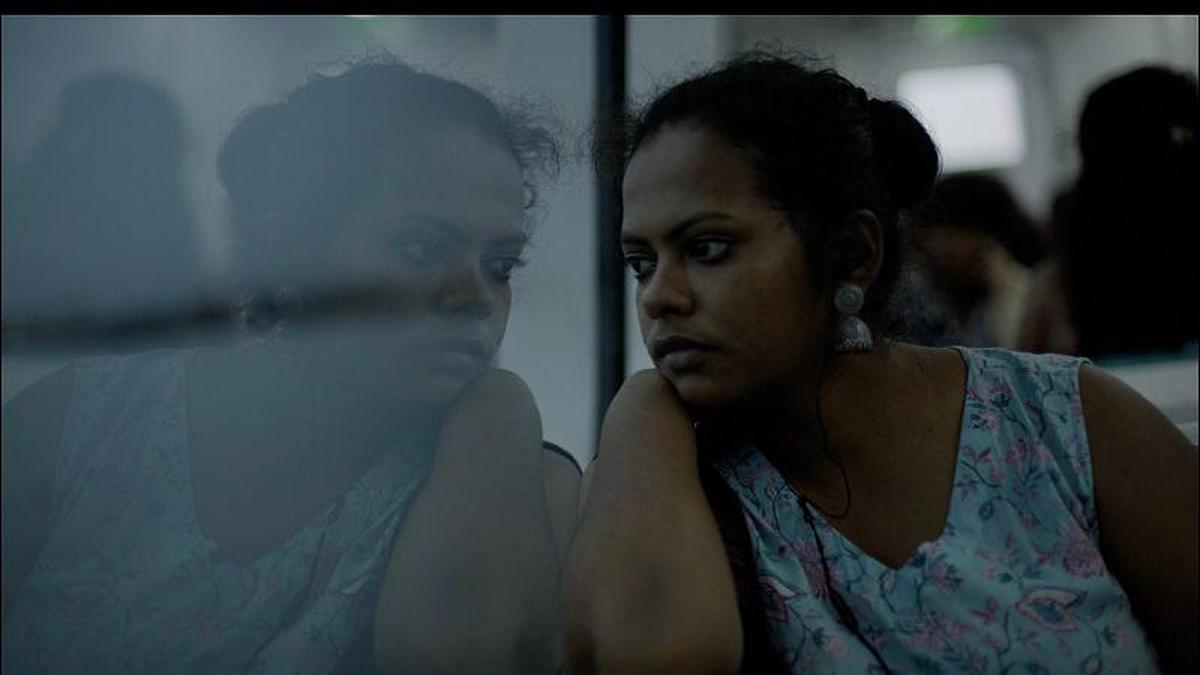
Furthermore, the documentary serves as a tribute to the legendary Indian filmmaker Ritwik Ghatak on his centenary. It prominently features the metaphor of a train to explore profound themes of migration, partition, and refugee crises—themes that perhaps resonate too deeply in today’s political climate. Kadavallur suspects that the film’s exploration of these socio-political realities and their psychological impact on the individual might be the unspoken reason behind the Ministry’s reluctance to grant clearance.
An Assault on Democratic Rights and Audience Agency
For Kadavallur, this denial is not merely an infringement on a filmmaker’s freedom of expression; it is a direct assault on the democratic rights of the audience. The documentary was officially selected by a designated jury for the festival.
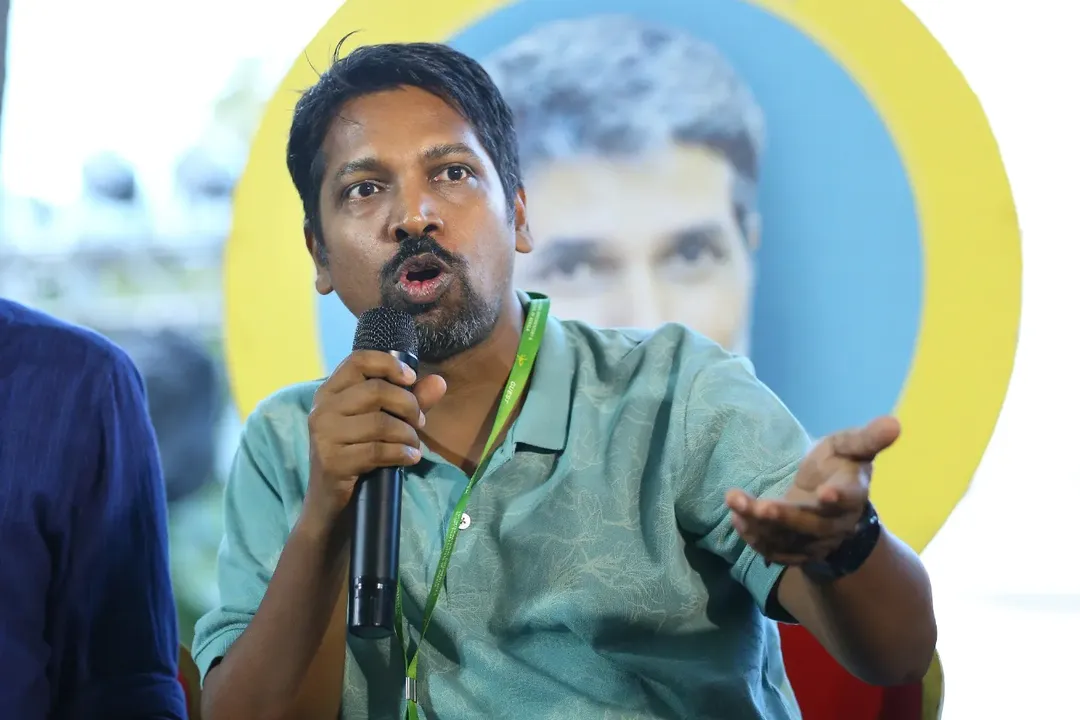
“When a jury selects a film and delegates pay a registration fee to watch it, failing to screen it is a denial of the audience’s fundamental right to view art,” Kadavallur notes. He emphasizes that while the cinematic space for independent, thought-provoking voices is being systematically restricted, the funding and promotion of state-aligned “propaganda films” are on the rise. This creates a skewed cultural environment where only one narrative is allowed to thrive.
The Fading Legacy of Kolkata’s Cinematic Freedom

Kadavallur points out a tragic historical irony in this episode. Kolkata, the very birthplace of the Indian Film Society movement spearheaded by the legendary Satyajit Ray, is now the backdrop for this stifling of cinematic voices. The director views this incident not just as an isolated issue for his film, but as a symptom of a broader cultural decay and tightening political grip over Bengal and India’s overall cultural sphere. As India’s position on the global freedom index shrinks, the silencing of a film at an FFSI event in Kolkata serves as a grim indicator of the times.
FFSI Kerala Strongly Condemns the Move
In response to this blatant suppression, the Federation of Film Societies of India (FFSI) Kerala chapter, led by President T.V. Chandran and Secretary Radhakrishnan Cheruvalli, released a strongly worded statement condemning the Ministry’s actions.
The FFSI highlighted that Sathyappullu is a film that views society holistically. They stated that the denial of permission for a highly decorated documentary to be shown at a major festival is highly objectionable. The Federation did not mince words, viewing the denial as part of a “covert, mysterious agenda against freedom of expression in India.”

According to the FFSI, this is a continuation of the ruling establishment’s intolerance toward themes and independent opinions it finds unpalatable. They warned that this is not a mere “technical glitch” but a blatant example of the state dictating what citizens can and cannot watch. The statement further alleged that there is a hidden agenda to cripple the circulation of independent films through film societies, describing the current political intolerance as a knife held to the throat of democracy, constitutional values, and civil rights.
The ordeal faced by Sathyappullu is a stark reminder of the fragile state of artistic freedom in contemporary India. When the state bypasses open dialogue and relies on bureaucratic delays to stifle art, it deprives society of the crucial conversations that films like Kadavallur’s are meant to provoke. As the independent film fraternity and film societies stand in solidarity against these measures, the fight is no longer just about a single documentary, it is about preserving the fundamental democratic right to express, to share, and to witness the truth.








Denial by delay is often censorship in disguise. When truth is repeatedly pushed aside through procedural games, silence becomes a deliberate weapon. Sathya Pullu’s story raises an important question: in a democracy, who gets to decide what the public is allowed to see, hear and question? Institutions must protect free expression, not hide behind endless delays. Accountability and transparency cannot be postponed forever.