


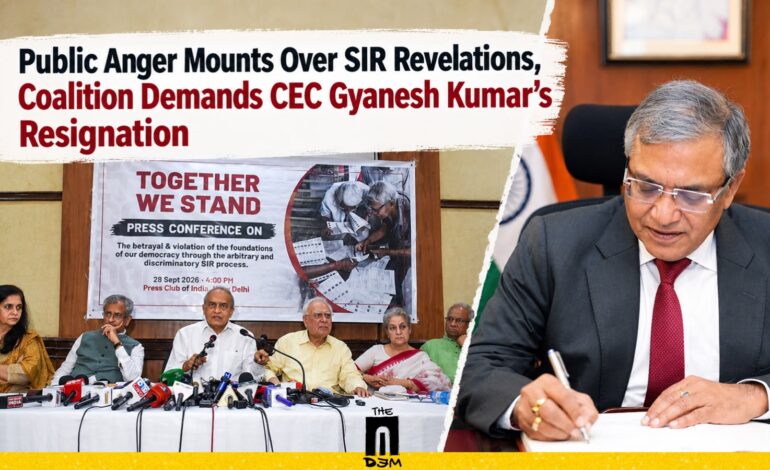
Recent revelations about the functioning of the Election Commission of India (ECI), including repeated objections raised by Election Commissioners to key decisions and questions over the withholding of crucial records, have intensified scrutiny of the poll panel at a time when its Special Intensive Revision (SIR) of electoral rolls is facing growing public opposition.
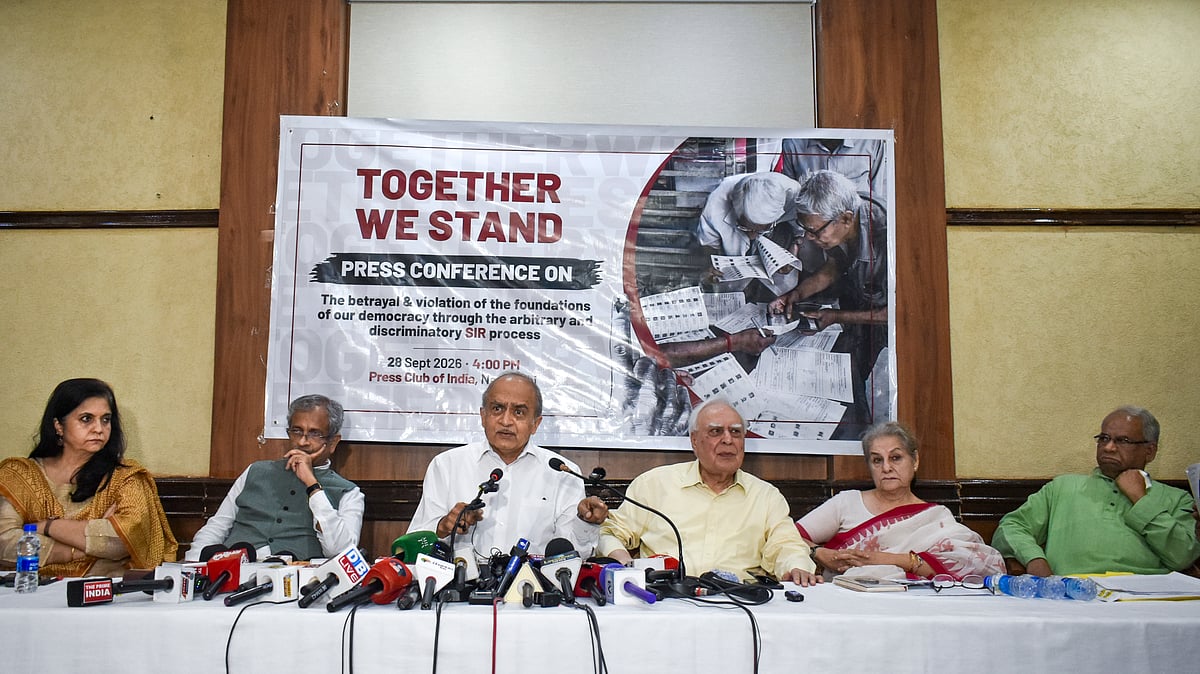
Against this backdrop, a broad coalition of former judges, senior advocates and civil society activists convened in Delhi to demand the immediate rollback of the SIR and the resignation of Chief Election Commissioner (CEC) Gyanesh Kumar. The coalition alleged that the exercise has systematically disenfranchised an estimated 13 crore voters across the country and warned of nationwide protests if its demands are not addressed. Former Supreme Court judge Justice Madan B. Lokur, former Chief Election Commissioner S.Y. Quraishi and former Lieutenant Governor of Delhi Najeeb Jung were among those who expressed solidarity with the protest.
The revelations about the ECI’s internal functioning have become a central part of the controversy. Senior advocate Prashant Bhushan cited RTI responses in which the ECI reportedly stated that no formal decision had been taken to implement the SIR, while investigative reports have indicated that meeting agendas and minutes were withheld from Election Commissioners. The coalition has therefore demanded that the ECI make public all records relating to the SIR, including minutes of Commission meetings and formal objections raised by Election Commissioners and Deputy Election Commissioners.
The Coalition’s Eight Demands
Political activist Yogendra Yadav outlined an eight-point joint statement on behalf of the coalition, which it said was aimed at restoring democratic safeguards:
1. Roll back the SIR nationwide: The coalition has demanded the complete withdrawal of the SIR and restoration of all deleted electors to the voter lists as they existed before the revision. It wants all forthcoming elections to be conducted using the pre-SIR rolls, followed by the standard summary revision process.
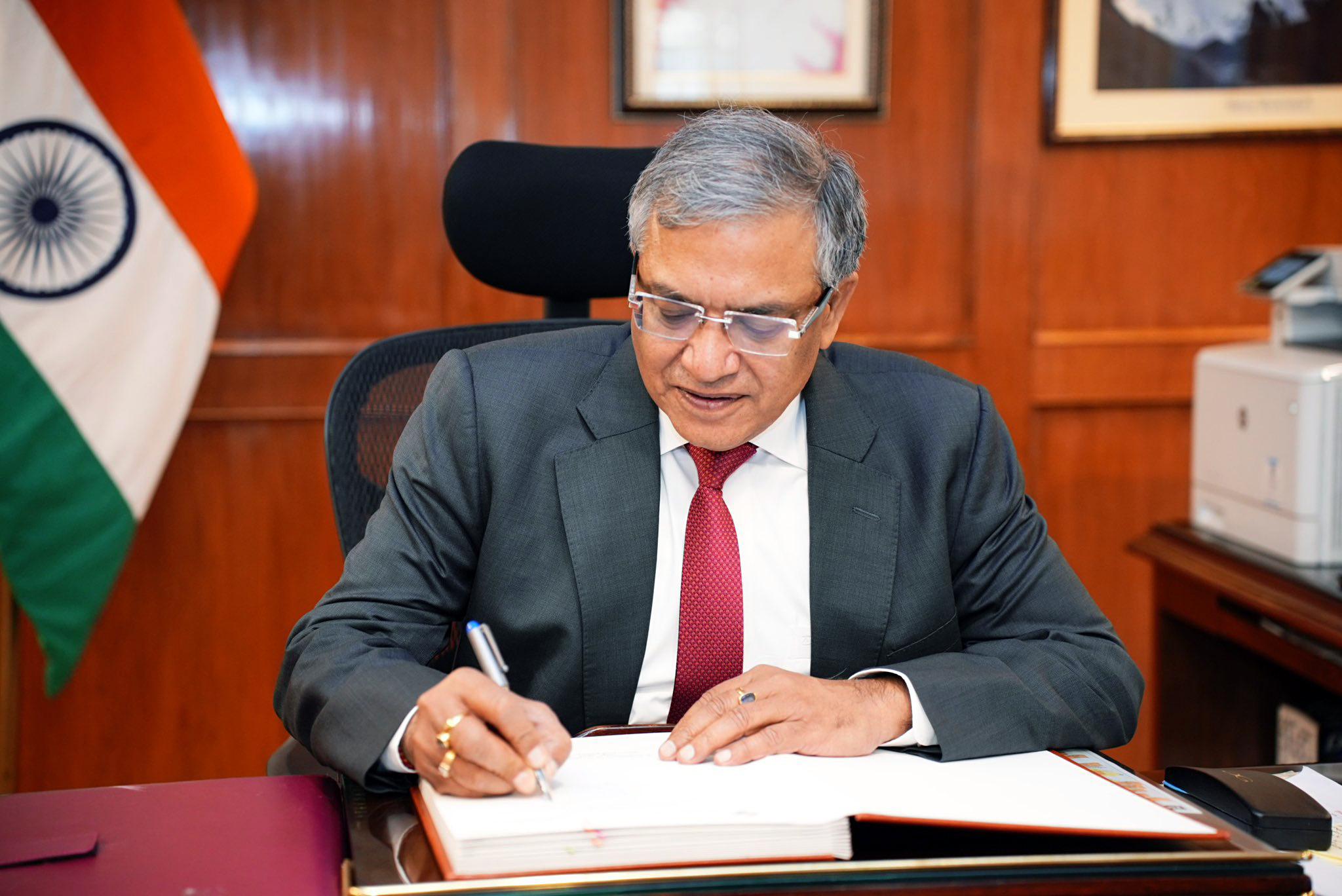
2. CEC Gyanesh Kumar must resign: The coalition has demanded Kumar’s immediate resignation. If he does not step down, it has called for Parliament to initiate impeachment proceedings.
3. Order an independent inquiry: The coalition has sought an independent and credible inquiry into the constitutionality and legality of decisions taken under Kumar’s leadership, the design and implementation of the SIR, and possible civil or criminal liability for officials and others responsible for wrongful disenfranchisement.
4. Reform the appointment and legal framework governing the ECI: The coalition has called for repeal of the Chief Election Commissioner and Other Election Commissioners Act, 2023, and its replacement with an appointment mechanism independent of executive control. It has also demanded removal of the civil and criminal immunity available to serving and former election commissioners.
5. Make the ECI’s SIR records public: This includes the files supporting SIR decisions, minutes of Commission meetings, formal objections raised by Election Commissioners and Deputy Election Commissioners, ECInet source code and logs, criteria for classifications such as “logical discrepancy” and “VIP”, changes to the BLO mobile application, and internal communications between the ECI, CEOs and EROs. The coalition has also sought the official rationale behind the Commission’s appeal against the inclusion of more than 16 lakh names in West Bengal.
6. Hold public social audits of electoral rolls: The coalition has demanded public verification at gram, ward and booth levels, with EROs and BLOs present so that errors can be identified and corrected on the spot.
7. Restore welfare benefits lost through wrongful deletions: It has called for the immediate restoration of state welfare benefits to citizens who were deprived of them following wrongful deletion from electoral rolls.
8. Fix responsibility for wrongful exclusion: The coalition has demanded individual accountability for officials responsible for wrongful deletions and an examination of civil or criminal liability where misconduct has led to disenfranchisement.
Questions Over Unilateral Decision-Making
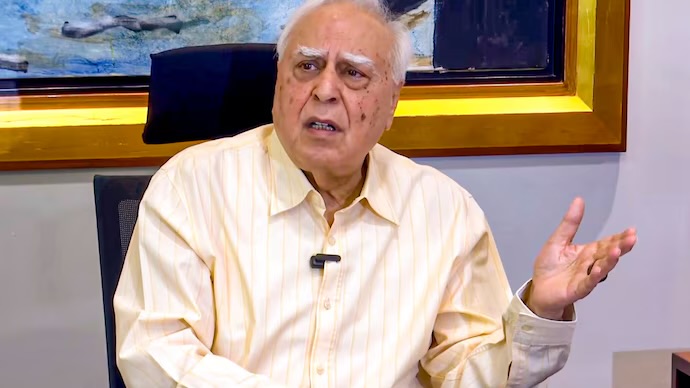
Senior advocate Kapil Sibal said the SIR lacked constitutional sanctity, alleging that decisions were being taken unilaterally by the CEC rather than by the Commission as a collective body. He also alleged that criteria such as “logical discrepancies” were being used to target Muslim and non-BJP voters.
Prashant Bhushan argued that the revision violates the Representation of the People Act and related statutory rules. He questioned the use of Form 6, intended for new voters, instead of Form 8 for changes to existing electoral records, and pointed to the publication of a list of Delhi voters served notices only after intervention by the Supreme Court.
Senior advocate Sanjay Hegde questioned the implications of mandatory mapping to the 2002 electoral roll, arguing that the process places an onerous burden on existing voters to establish their citizenship. Senior advocate Pallav Shishodia similarly argued that the SIR has shifted the burden of proving citizenship onto enrolled electors.
These are assertions made by speakers at the conference and form part of the coalition’s broader challenge to the legality and transparency of the SIR.
The Question of Transparency
Transparency activist Nikhil Dey disputed the ECI’s contention that the present exercise mirrors the 2001–02 revision process. Citing records obtained through RTI, he said the earlier exercise under former CEC J.M. Lyngdoh relied on house-to-house verification of existing electoral rolls and public audits, rather than requiring citizens to submit new forms.
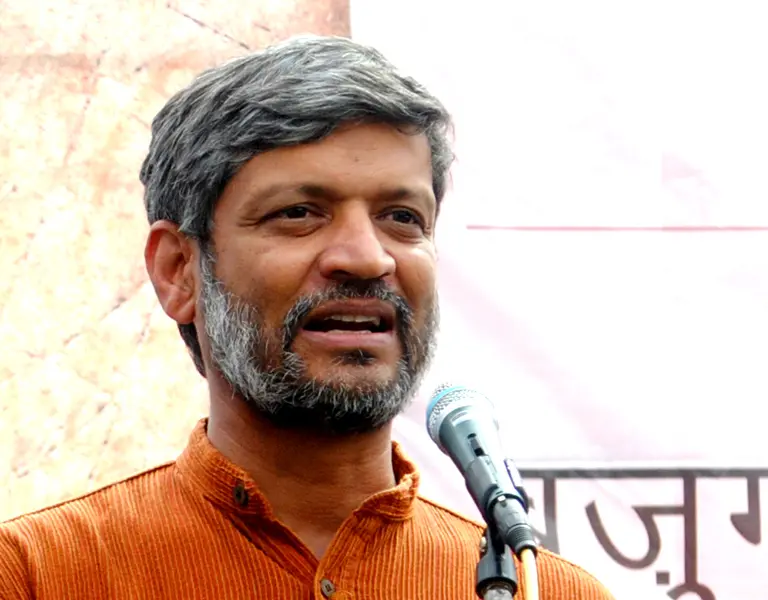
Dey also criticised the use of “logical discrepancy” as a criterion, describing such discrepancies as potentially arising from data-entry errors and warning of their consequences for access to welfare schemes.
Yogendra Yadav pointed to what he described as a striking demographic anomaly. According to figures cited by him, India had around 99 crore adult citizens and 98 crore registered electors during the 2024 Lok Sabha election. Under the SIR, he said, the adult population is projected to rise to 103 crore while registered electors could fall to 88 crore.
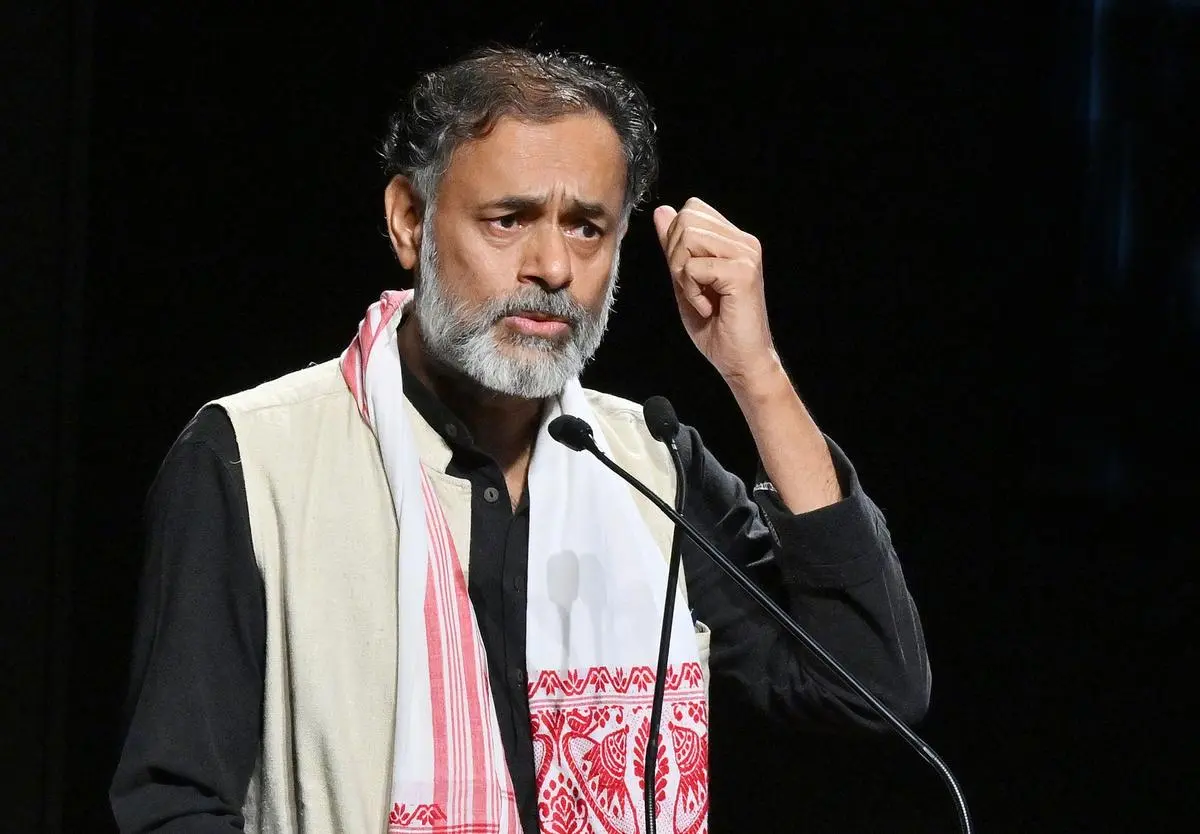
Yadav also argued that the legacy-document requirements attached to Form 6 could prevent many first-time Gen Z voters from registering. He interpreted the ECI’s recent announcement on future minute-keeping as an indication of shortcomings in its earlier functioning.
Vulnerable Voters and Ground-Level Exclusions
Former Bombay High Court judge Justice Marlapalle recounted an incident in which a BLO allegedly threatened to remove his name from the electoral roll if his form was not submitted or uploaded correctly, despite his having voted continuously since 1980.
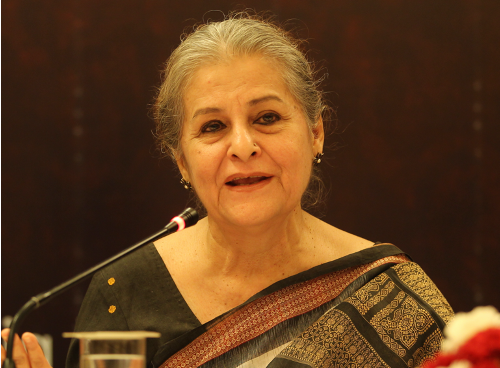
Feminist activist Syeda Hameed, president of the National Federation of Indian Women, cited cases of vulnerable voters allegedly being wrongly excluded, including Kamta Prasad, who was recorded as dead, and Neelam, a woman with limited mobility whose name was removed. Hameed also spoke of concerns among Muslim and other vulnerable communities.
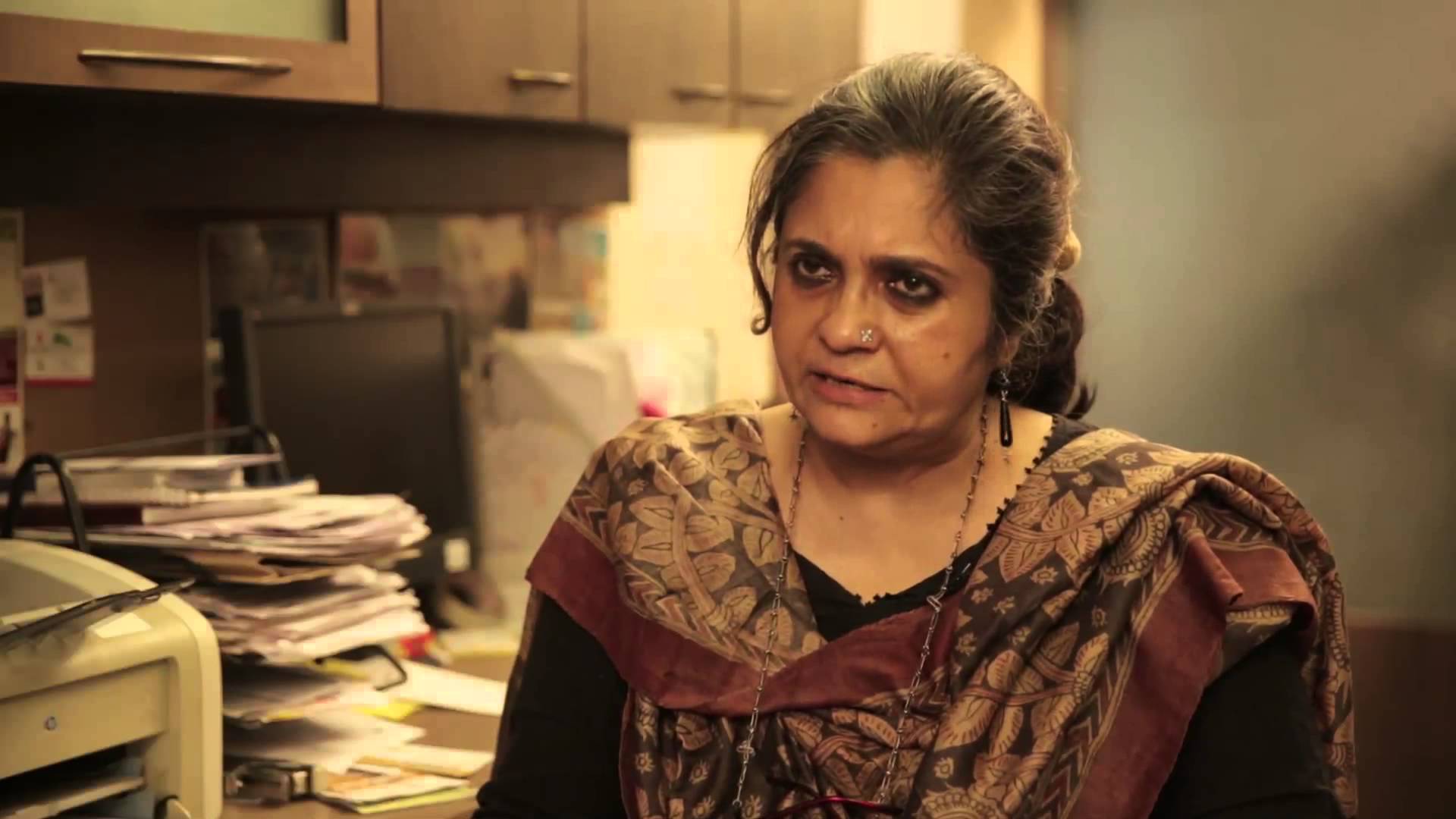
Social activist Teesta Setalvad called for wider electoral reforms, including changes to Form 7 to prevent its misuse for unverified deletions and the proactive publication of Forms 9, 10, 11, 11A, 11B and 17C. She also questioned the legitimacy of elections conducted using electoral rolls that she described as compromised.
Public Audit: A Ground-Level Test
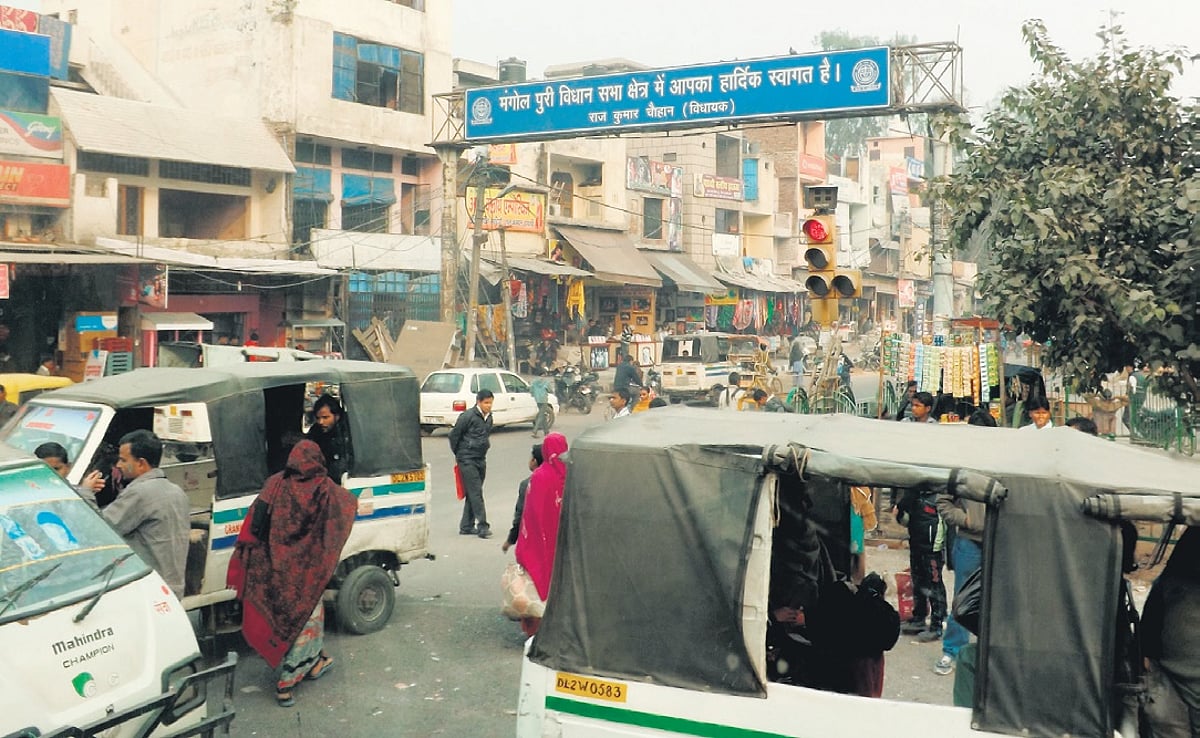
The coalition’s concerns were reinforced, it said, by findings from a People’s Tribunal held on 5 September 2026 at Y Block, Mangolpuri, Delhi.
Of the 9,838 electors registered in the area in January 2025, the Draft SIR Roll retained 5,639, or 57.3 per cent. Another 2,781 electors, or 28.3 per cent, were placed on an Absent, Shifted, Dead or Duplicate (ASDD) list, while 1,328, or 13.5 per cent, were omitted without any recorded explanation. A further 1,914 retained electors had received notices.
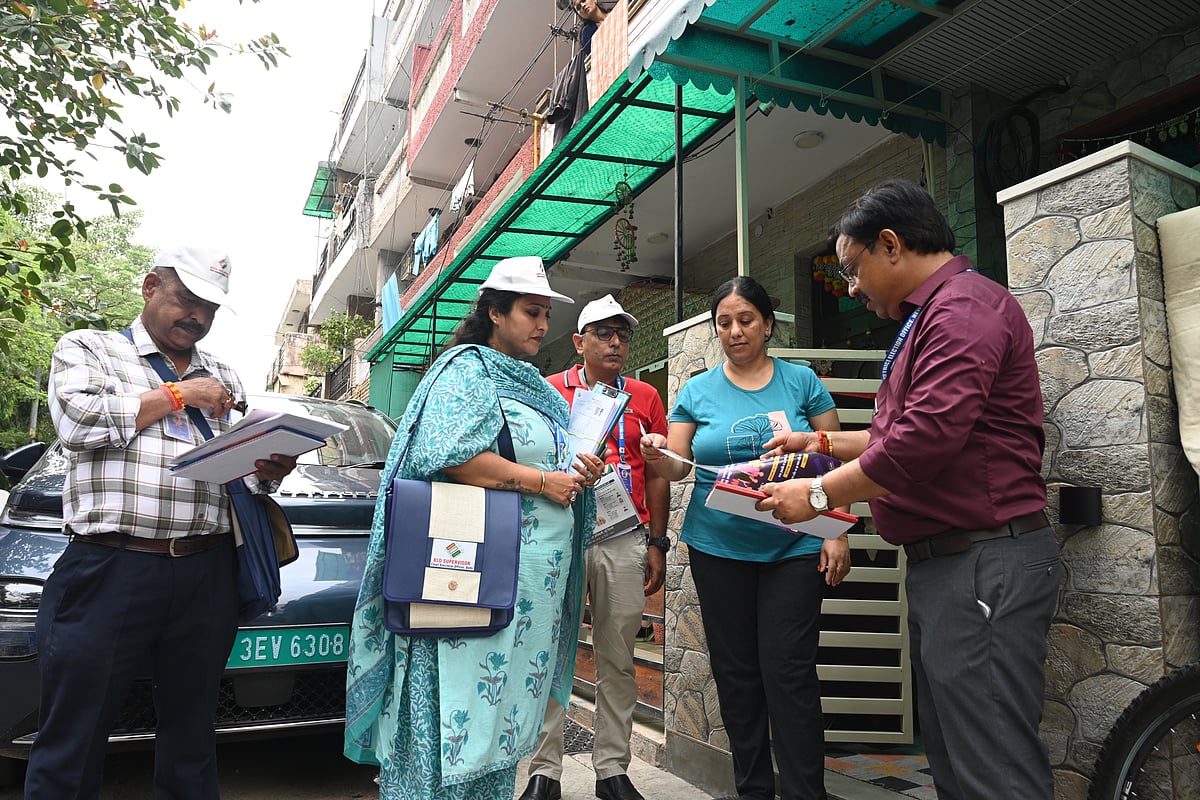
Before the hearing, citizen volunteers conducted a door-to-door audit of 1,448 of the 1,516 houses across all eight polling booths. They found more than 450 people classified as ASDD still living at their registered addresses and more than 500 residents who were living in the area but absent from the electoral roll.
The audit also found that many of those excluded had voted in the 2025 Delhi Assembly election and possessed EPIC, Aadhaar, ration and PAN cards, with their residence verified by neighbours. None of the eight BLOs invited to the tribunal attended the hearing, despite provisions in the 2023 ECI Manual requiring ward-level meetings for public verification and correction of electoral rolls.
Seven-Point Open Letter to the ECI
Following the Mangolpuri findings, an open letter to the ECI was signed by figures including Justice Madan B. Lokur, Syeda Hameed, Bezwada Wilson, Annie Raja, Nisha Siddhu, Subhash Bhatnagar, Maj. Gen. (Retd.) Anil Verma and Tara Rao.
The signatories called for daily Ward Sabhas in Mangolpuri to publicly verify the Draft SIR Roll, ASDD lists and notices, followed by similar village-, ward- and booth-level verification exercises across India.
They also demanded individual accountability for wrongful deletions, a review of the 2025 SIR framework, scrapping of the requirement to map voters to the 2002 electoral roll, formal recognition of decentralised public hearings as part of electoral-roll verification, and restoration of wrongly deleted voters by BLOs and EROs themselves rather than forcing existing electors to apply as new voters.
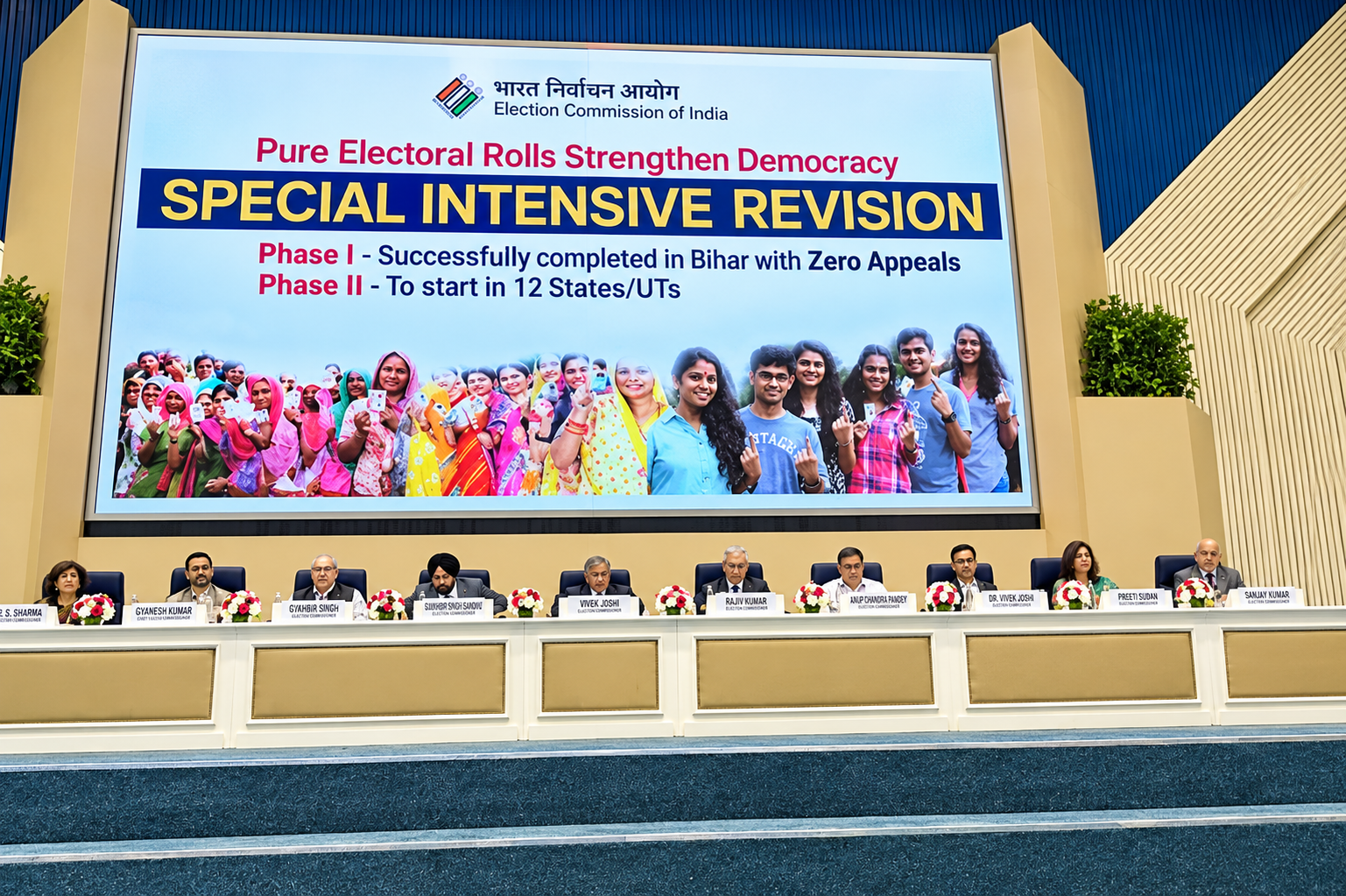
The coalition’s demands ultimately centre on a larger question of institutional credibility: whether the Election Commission can retain public confidence when serious questions are being raised not only about the impact of the SIR on voters, but also about transparency, collective decision-making and dissent within the Commission itself.

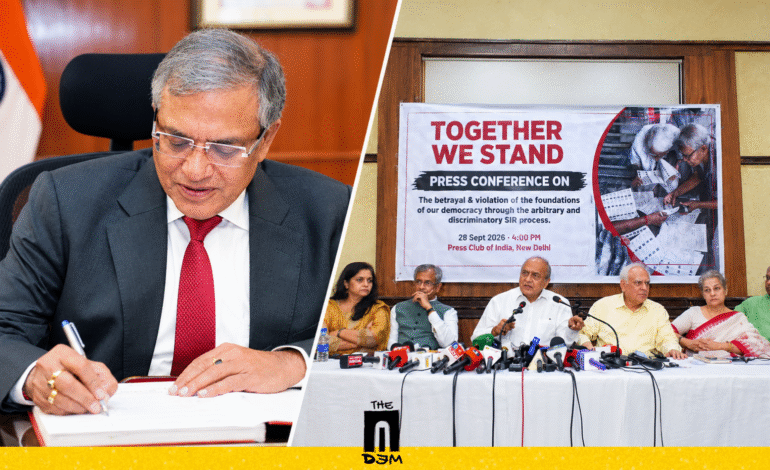







When the credibility of the electoral process itself comes under question, public anger cannot simply be dismissed as political noise. The revelations of internal objections within the Election Commission and the controversy surrounding SIR raise serious questions about transparency, institutional accountability and the protection of every citizen’s right to vote.
Democracy depends not only on elections being held, but on voters being able to trust the institution conducting them. When that trust is shaken, accountability and full public disclosure become essential—not optional.