

When Economists Disagree: How New Delhi is Running Out of Room for Independent Advice

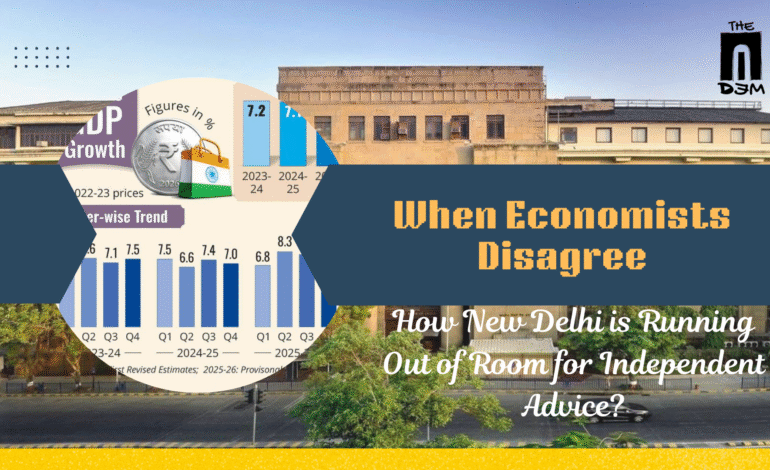
India’s economy is growing rapidly. But a succession of departures, institutional disagreements and competing interpretations of economic data raises a larger question: how much space is there for independent economic advice in New Delhi?
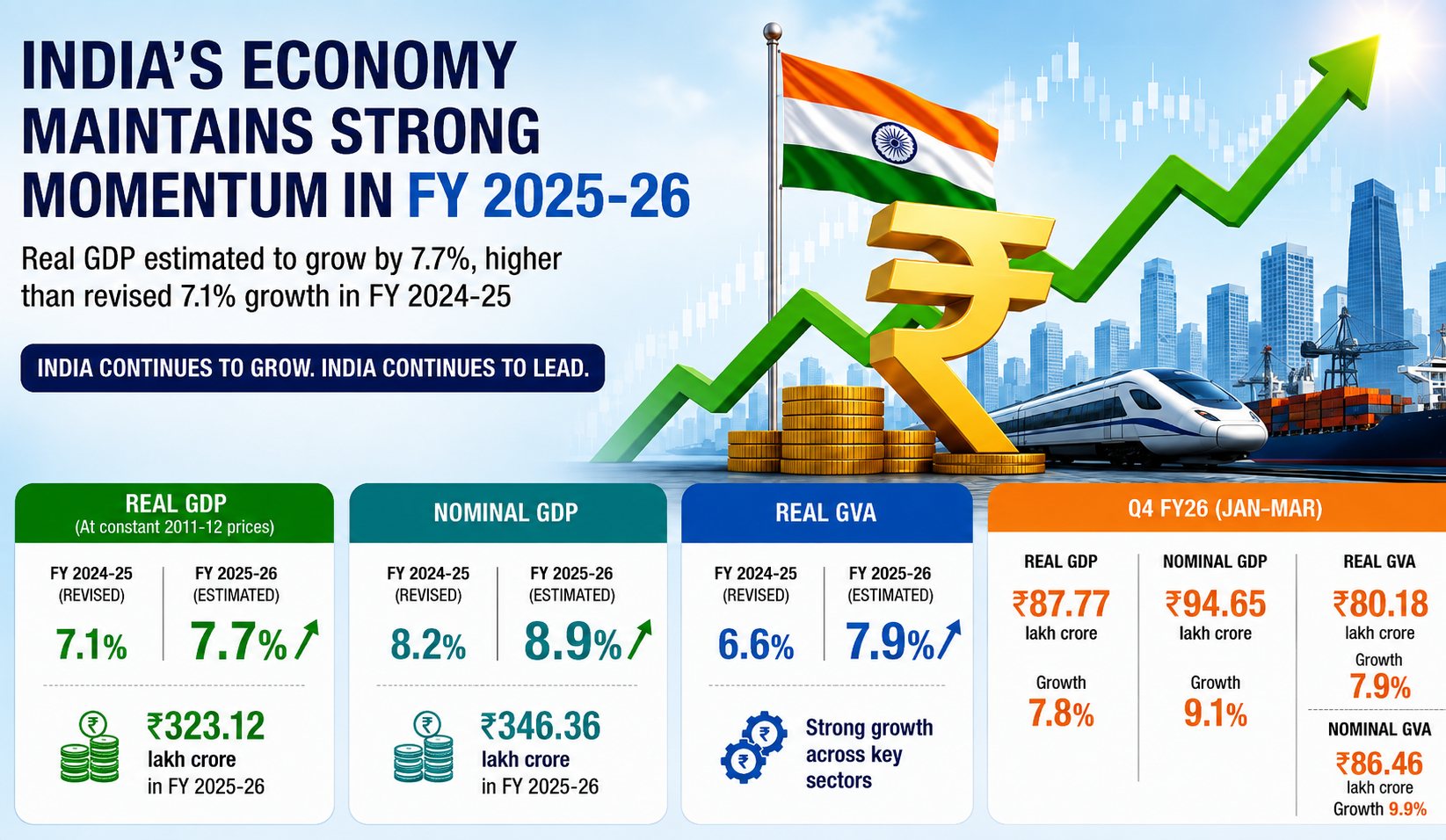
India’s economic story has a powerful headline. Real GDP grew by 7.7 per cent in 2025-26, according to the latest official estimate. In the first quarter of 2026-27, the economy grew by 7.8 per cent, while real Gross Value Added (GVA) expanded by 8.2 per cent. By headline measures, this is a strong economic performance. Yet alongside that story sits another, less comfortable one.
Over the past decade, several prominent economists who occupied important positions in India’s economic policy establishment have left those positions some before their terms were due to end, some after completing their assignments, and some for reasons that had little or nothing to do with politics. Urjit Patel left the Reserve Bank of India (RBI) governorship before his term expired. Viral Acharya resigned as RBI Deputy Governor roughly six months early. Arvind Subramanian left as Chief Economic Adviser after citing personal reasons. Surjit Bhalla resigned from the Prime Minister’s Economic Advisory Council without publicly giving a detailed reason. Arvind Panagariya left NITI Aayog to return to Columbia University. K.V. Subramanian completed his term as Chief Economic Adviser and returned to academia, before his subsequent appointment as India’s Executive Director at the International Monetary Fund was terminated six months before its scheduled end.
These are six different stories, and they cannot honestly be presented as six economists who simply “ran away” from government. But taken together, they invite a serious institutional question: what happens to independent economic advice when economists disagree with the political and policy establishment?
That question has acquired fresh relevance because the debate over India’s economic statistics has returned with unusual force. In March 2026, economist Arvind Subramanian, along with Abhishek Anand and Josh Felman, published research arguing that India’s growth may have been underestimated by around 1–1.5 percentage points annually during 2005-2011 and overestimated by roughly 1.5–2 percentage points during 2012-2023.
The authors attribute the possible mismeasurement to methodological problems, including the use of the formal sector as a proxy for the informal economy and the treatment of price deflators. The paper does not establish that India’s official GDP numbers were deliberately fabricated. That distinction matters. The government and its statistical establishment have rejected the implication that official growth numbers are manipulated and have defended the methodology behind the revised GDP series.
The real question, therefore, is not whether one side should simply be believed. It is whether India’s economic institutions are strong enough to accommodate competing interpretations of the data and the policy disagreements that flow from them.
Urjit Patel: The Governor Who Resigned Before His Term Ended
Urjit Patel became RBI Governor on September 4, 2016. His tenure coincided with one of the most consequential economic decisions of the Modi government: demonetisation. It also saw growing tensions between the RBI and the government over banking regulation, the central bank’s autonomy and the size of the reserves that the RBI should maintain.
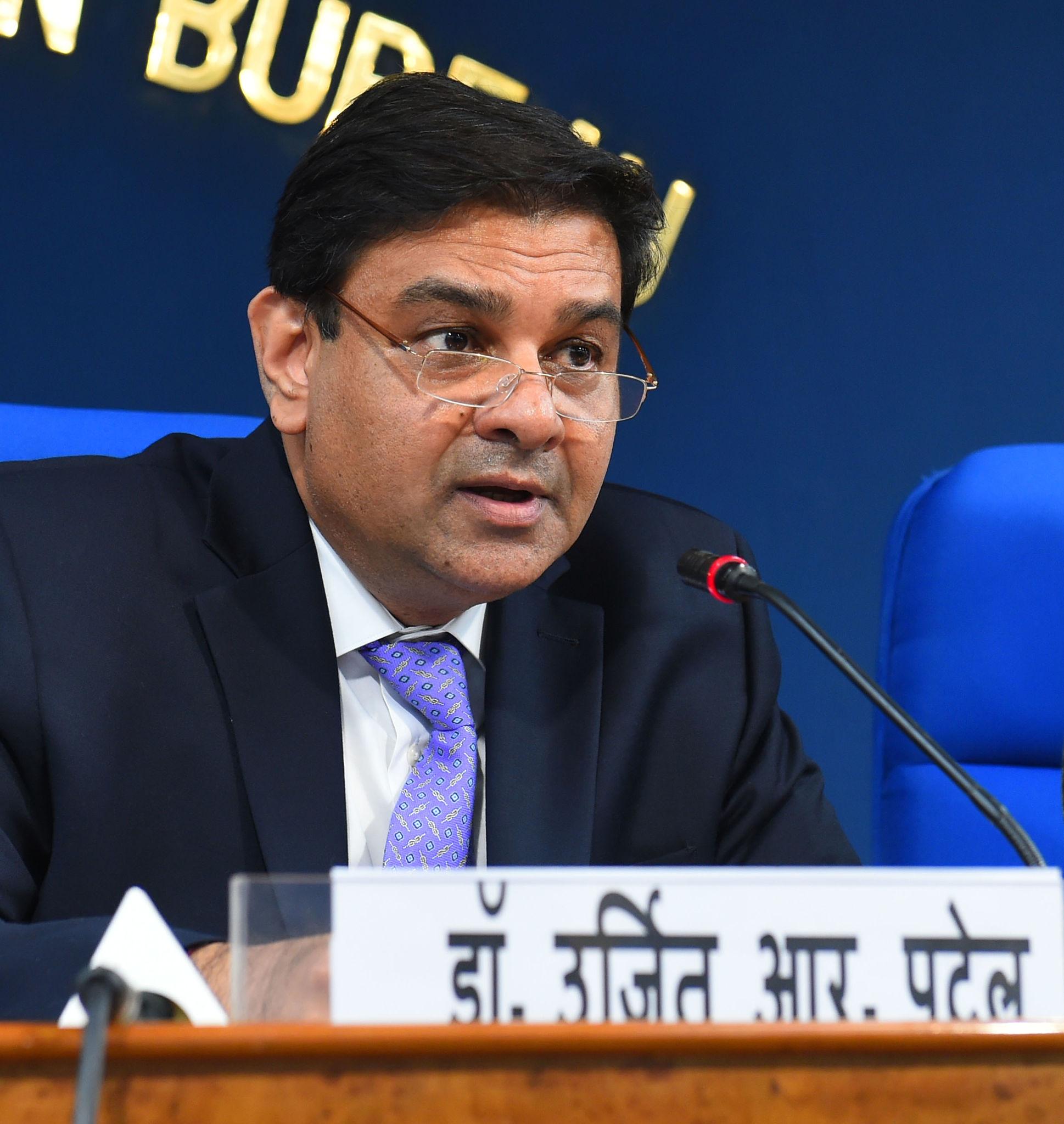
On December 10, 2018, Patel resigned with immediate effect, citing personal reasons. He did not publicly say that the government had forced him to resign, but his departure occurred after months of unusually public friction between the RBI and the government. The controversy intensified in October 2018, when then Deputy Governor Viral Acharya delivered a speech warning about the consequences of weakening the independence of the central bank. The government and RBI were also divided over issues including lending to stressed sectors, the Prompt Corrective Action framework for weak banks and the RBI’s surplus capital.
Years later, former Finance Secretary Subhash Chandra Garg gave his own account of the relationship between Patel and the government. Garg described an alleged confrontation with Prime Minister Narendra Modi and said Patel had been compared to a “snake sitting on the treasure”. That remains Garg’s recollection rather than an independently established account.
What happened afterward is documented: in August 2019, the RBI Central Board approved transferring ₹1,76,051 crore to the government under a revised Economic Capital Framework, following the Bimal Jalan committee’s recommendations. So the controversy wasn’t simply the government “taking” RBI money it concerned how much capital the central bank should retain as a buffer and where the boundaries of its financial independence should lie.
Patel later became India’s Executive Director at the IMF, continuing to describe India’s economy as resilient. His post-RBI career suggests he didn’t regard India’s economy as collapsing only that his resignation occurred amid a major dispute over central-bank independence.
Viral Acharya: “The Issues at That Juncture Required Me to Take a Stand”
Viral Acharya became RBI Deputy Governor on January 20, 2017, resigning in June 2019, about six months early, citing “unavoidable personal circumstances.” But his public record gives the episode larger significance.
On October 26, 2018, Acharya delivered a speech warning that governments which undermine central-bank independence could eventually damage financial stability and investor confidence. His remarks came while the RBI and the government were engaged in a public confrontation over the central bank’s autonomy. After leaving office, Acharya was asked about his decision and gave a striking answer: “The issues at that juncture required me to take a stand.”
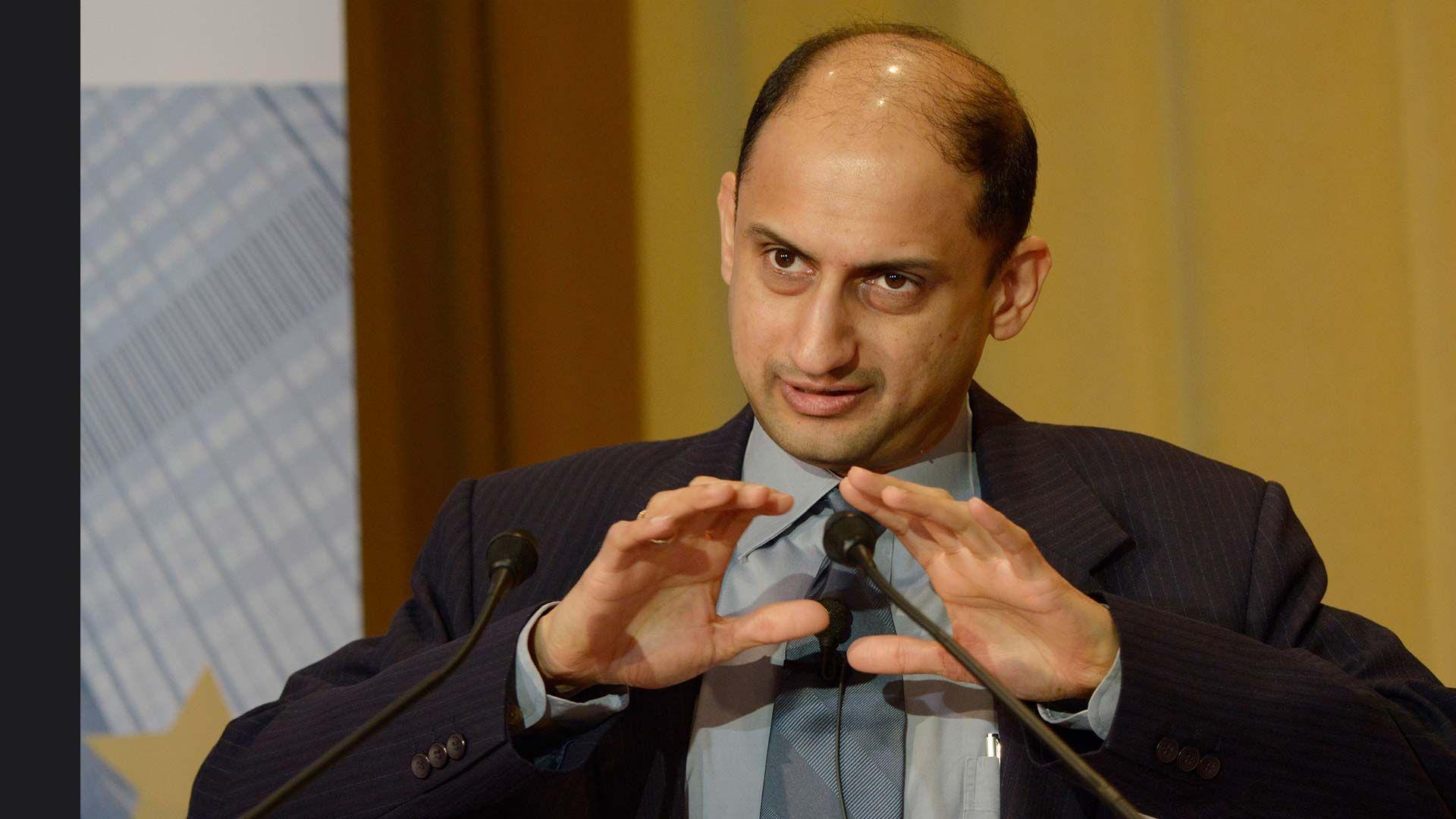
That is considerably stronger evidence of institutional disagreement than the fact of his resignation alone. Acharya returned to NYU afterward. His case doesn’t prove systematic expulsion of economists from government only that a senior RBI official saw the institutional questions as serious enough to require a public stand.
GDP Data: The Battle Over Credibility
The question of institutional independence extends beyond the RBI. India’s GDP debate is often reduced to a binary choice: either the government’s numbers are correct, or they are “fake”. That is too simplistic.
India recorded 7.7 per cent growth in 2025-26 and 7.8 per cent in Q1 2026-27, under a new national-accounts series with revised methodology. Statistical authorities say the revisions improve data quality; economists like Arvind Subramanian offer detailed methodological criticism. The IMF has also flagged shortcomings and said it will reassess once the revised historical series is available.
The useful questions aren’t whether numbers are “fake,” but whether the datasets are comprehensive, assumptions transparent, calculations reproducible, revisions well-explained, the informal economy properly measured, and the price deflators appropriate. Behind all this: can statisticians produce inconvenient findings without political pressure? These are ultimately questions of institutional credibility.
Arvind Subramanian: The GDP Debate Followed Him Out of Government
Arvind Subramanian became Chief Economic Adviser in October 2014 and left in June 2018, citing personal reasons, without publicly claiming he was forced out. But his post-government work has become central to India’s statistics debate.
He later questioned India’s revised GDP series, arguing post-2011 growth was overstated. His March 2026 paper with Anand and Felman goes further, estimating 2005-2011 growth was underestimated by 1–1.5 points while 2012-2023 growth was overestimated by 1.5–2 points, citing two concerns: reliance on the formal sector as a proxy for the informal sector despite the informal sector being hit hardest by demonetisation, GST and COVID-19 and use of commodity-price-based deflators for sectors where prices moved differently.
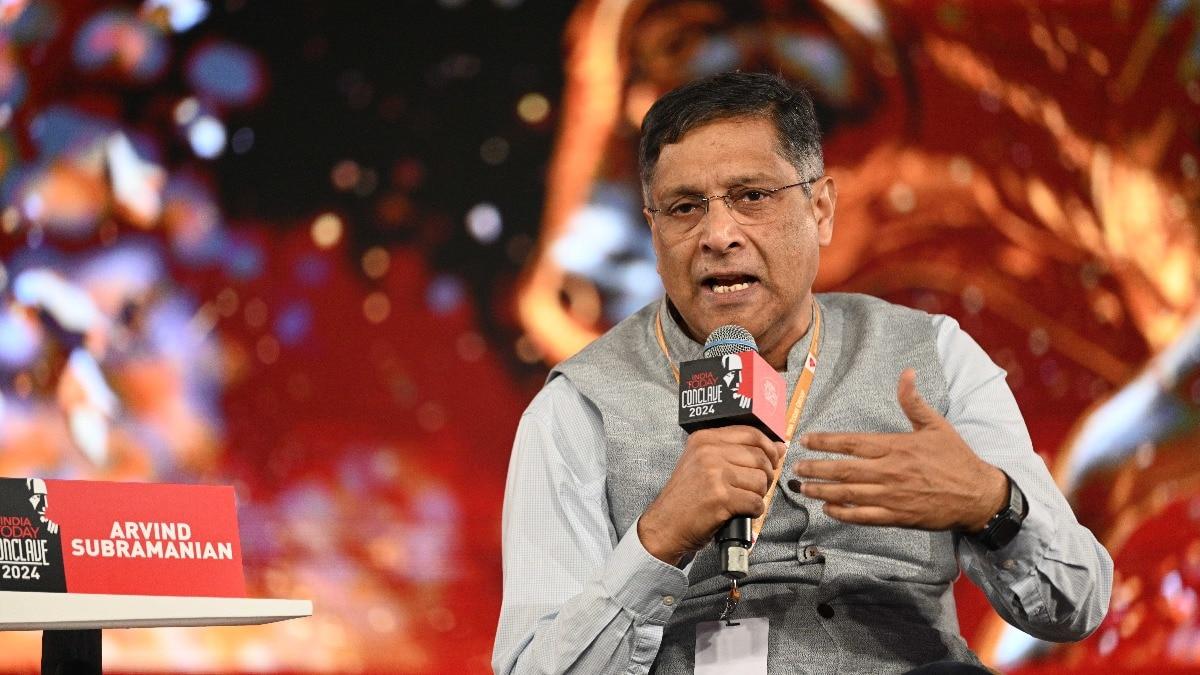
This is a serious challenge to the historical growth narrative, but not proof of fabrication. “Misestimated” and “faked” are crucial distinctions the former is testable methodology, the latter alleges intent. The current debate rests firmly on the first.
Surjit Bhalla: Questioning the “Fastest-Growing Economy” Narrative
Surjit Bhalla resigned from the PM’s Economic Advisory Council in December 2018 without detailed public explanation. His later statements have grown more relevant to the growth debate.
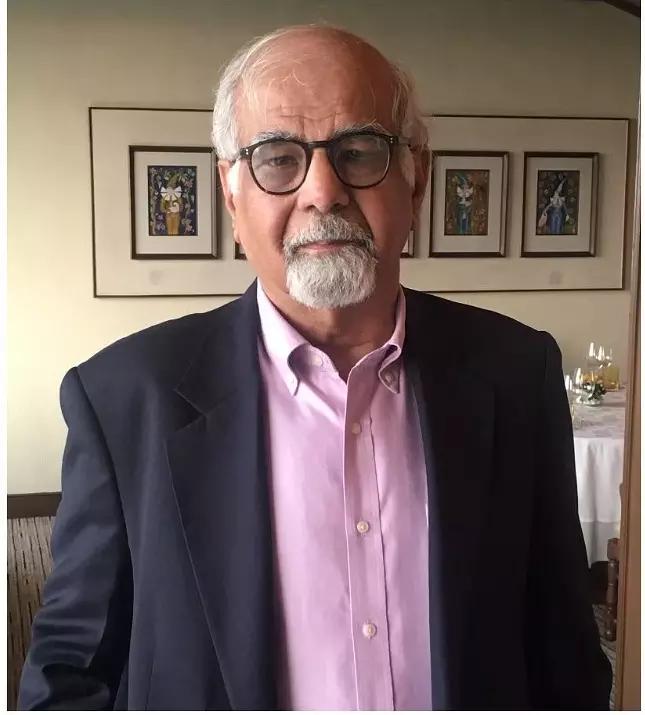
In 2026, Bhalla challenged the blanket claim that India is the “fastest-growing major economy,” arguing it can mislead depending on comparison basis. More significantly, he’s questioned whether current growth is sustainable without much higher investment. In August 2026, he said India would need an investment rate of 34–35 per cent of GDP to sustain 8 per cent growth, versus a current rate of roughly 28–30 per cent consistent, he said, with long-term growth of around 6.5 per cent. His point isn’t that India isn’t growing, but that current and sustainable potential growth aren’t the same thing.
The Cases That Complicate the Story
If Patel, Acharya and Arvind Subramanian raise questions about institutional disagreement, K.V. Subramanian and Arvind Panagariya complicate any easy political narrative.
K.V. Subramanian became CEA in December 2018 and completed his full three-year term in November 2021 before returning to academia not an early resignation. He became India’s Executive Director at the IMF in November 2022. In 2025, he defended India’s post-pandemic performance, citing average growth of 7.8 per cent during 2021-22 to 2024-25 and improvements in poverty and inequality. His case complicates any suggestion that departing economists necessarily turn critical.
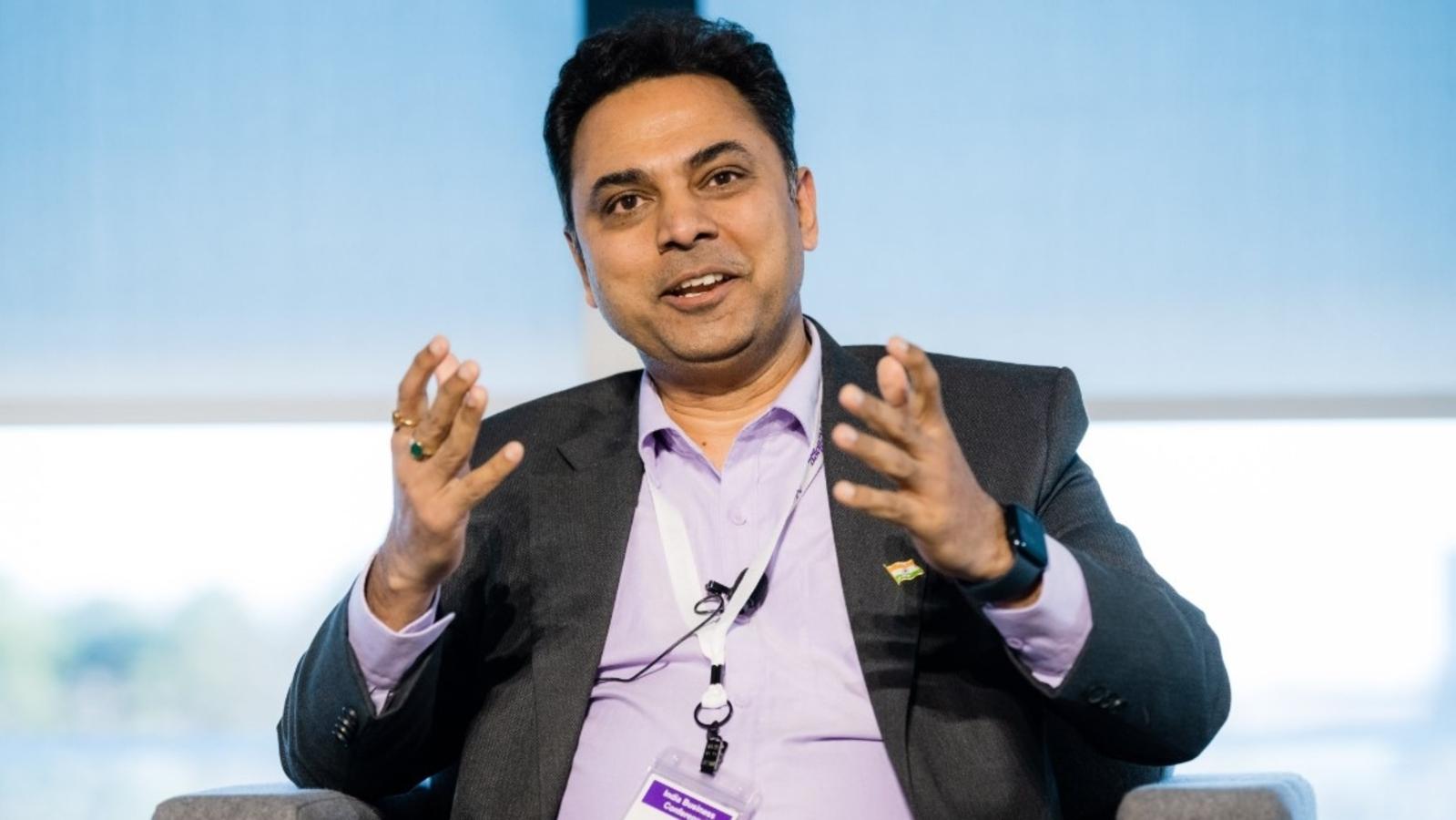
One episode still deserves attention: in April 2025, the government terminated his IMF appointment effective April 30, roughly six months before his term’s expected end, with no detailed public explanation. The distinction matters his CEA departure followed a completed term; his IMF departure was an early termination.
Panagariya’s experience complicates things further. He became NITI Aayog’s first Vice-Chairman in January 2015 and announced in August 2017 that he’d return to Columbia University, saying he had to choose between the role and his academic career. His later return to public service as Chairman of the Sixteenth Finance Commission reinforces the point.
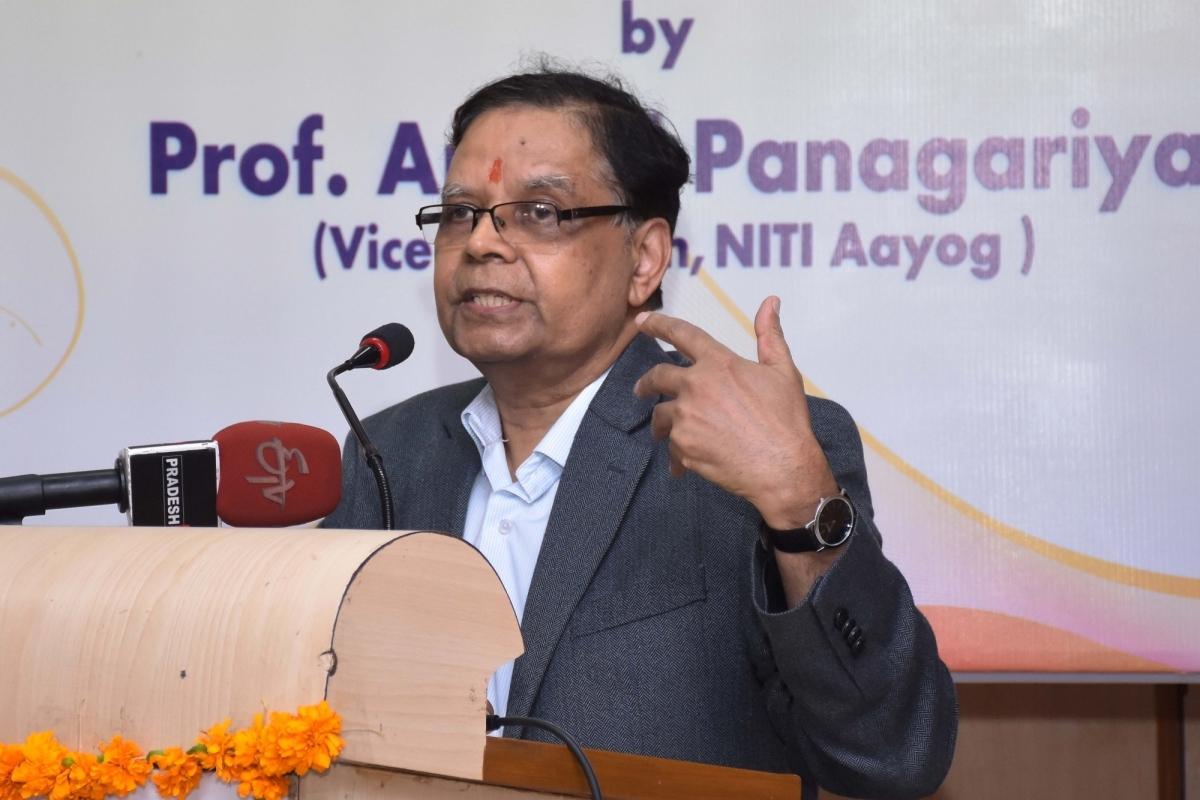
In August 2026, Panagariya called the Indian economy “robust,” growing at around 7 per cent or better while also arguing India remains difficult for foreign investors and calling for reforms to the “permission-raj.” His position shows an economist can view the economy as strong while still pushing for major policy reform which is why disagreement shouldn’t automatically be read as opposition.
Demonetisation and the Need for Independent Evaluation
No examination of India’s economic policymaking under the Modi government can entirely avoid demonetisation.
On November 8, 2016, the government announced that existing ₹500 and ₹1,000 notes would cease to be legal tender. Its stated objectives included tackling black money, counterfeit currency and terror financing, as well as encouraging formalisation and digital payments.
The RBI subsequently reported that ₹15.31 lakh crore of the specified banknotes returned to the banking system approximately 99.3 per cent of the value of the demonetised currency. The figure does not, by itself, establish that demonetisation failed. The policy had several stated objectives, and money returning to the banking system does not automatically mean that all of it represented legitimate income. But it did undermine the simplest version of the argument that large quantities of black money would disappear because their holders would be unable to deposit the cash.
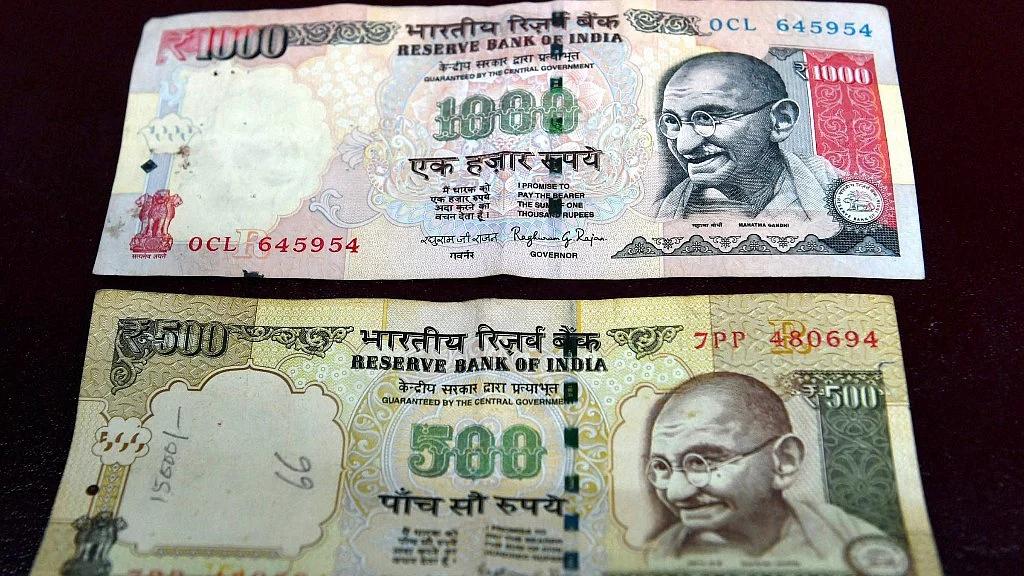
The larger institutional lesson extends beyond the success or failure of demonetisation itself. Policies of extraordinary scale require independent evaluation of both their intended and unintended consequences. That requires institutions and economists within those institutions capable of producing conclusions that governments may not necessarily welcome.
A Fast-Growing Economy Needs Disagreement
India’s growth numbers aren’t trivial 7.7 per cent annual and 7.8 per cent quarterly growth is a powerful performance. But GDP alone doesn’t say whether the economy is generating enough productive employment, whether household incomes are rising, whether investment or exports are strong enough, or whether the growth rate is sustainable.
That’s why these economists’ differing assessments matter. Bhalla says India needs a much higher investment rate to sustain 8 per cent growth. Panagariya calls the economy robust but flags a difficult business environment. Acharya has stressed institutional independence. Patel continues to discuss India’s resilience alongside external risks. K.V. Subramanian defends the strength of post-pandemic growth. And Arvind Subramanian argues India’s historical growth record may be substantially mismeasured.
They don’t agree but that’s not a weakness. That’s what economic debate looks like. The danger begins when a system becomes uncomfortable with disagreement.
A strong central bank must be able to tell the government it’s wrong. A strong statistical system must be able to publish numbers that embarrass the government. A strong advisory system must let advisers challenge flagship policies. And a strong democracy must let independent economists question official narratives.
An economy’s success isn’t measured only by GDP growth, but by the quality of institutions that produce, interpret and challenge that growth story. The real question isn’t why economists are “running away,” but why an economy confident about its future should fear economists who disagree with it.
A confident economy should have nothing to fear from independent economists. It should fear only a system where economists learn that speaking less is safer than speaking the truth.










https://theaidem.com/en-when-economists-disagree-how-new-delhi-is-running-out-of-room-for-independent-advice/
“When independent economists lose the freedom to disagree, economic policy risks becoming an echo chamber. This is a timely and powerful reminder that New Delhi needs honest advice, diverse perspectives, and the courage to listen to uncomfortable truths.”